


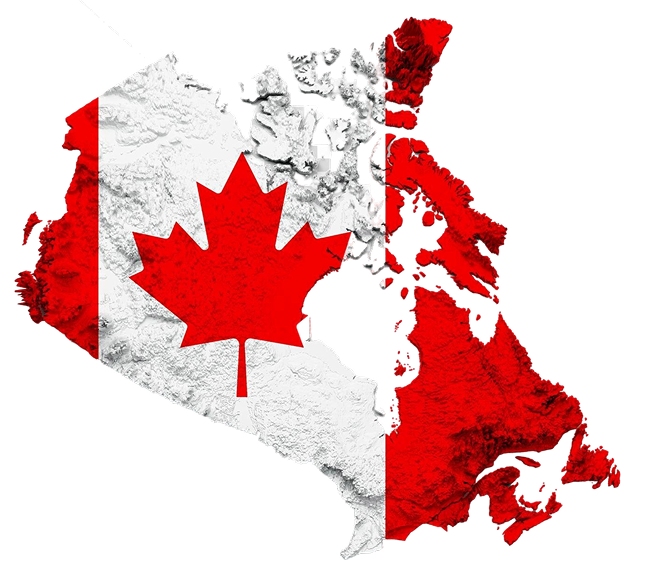














Study in Canada from Bangladesh Your Dream Starts Here
If you’re a student looking to Study in Canada from Bangladesh? Get step-by-step guidance for admission, visa, scholarships, and top universities. We assist students in Bangladesh like you to achieve their dreams without any confusion and a clear roadmap.
Build Your Global Future: Study in Canada from Bangladesh
Canada is one of the best destinations for Bangladeshi students to study abroad. With its world-class education, friendly nation, bustling multicultural cities, and unparalleled opportunity for economic growth, it provides you with everything you need to grow and succeed. Whether it’s prestigious colleges, affordable tuition fees or work prospects, Canada opens a door to a better future.
Every year, hundreds of Bangladeshis come to Canada for international exposure, world class study and career-focused studies.
Whether you aspire to become an engineer, doctor, business tycoon, or a researcher, Canada provides you the perfect pathway to evolve, learn, and build a global career.
Quick Facts About China for Students
Capital City: Ottawa
Largest City: Toronto
GDP: $2.14 Trillion USD
Top Universities: Over 100
Official Language: English & French
Currency: Canadian Dollar (CAD)
Population: 39.6 Million
International Students: 800,000+
Featured Destination
Why Canada is the Right Choice for Higher Education
Canada Is not just another country you can study. It has achieved a balance of academic excellence, security, affordability, and future career prospects. That is why every year thousands of Bangladeshi students enroll in university in Canada to secure a better future in a country that cherishes diversity and encourages innovation. Here is why it is the right option for you.
Top-Notch Education
The country has some of the world’s finest universities and colleges with programs constantly rated high on the list of world education. Whether you choose Toronto, McGill, or a well-known community college, you’ll get a unique combination of theory and practical skills. And your degrees will be internationally acknowledged, which will allow you to land a decent job anywhere.
Welcoming & Diverse Culture
Canada is known for being a safe, peaceful and very welcoming country to international students. The country is multicultural with people of various faiths and races living together in peace. That means if you’re a Bangladeshi student, you’ll never feel out of place. There are cultural connections, halal food options, mosques, and community groups that make you feel at home studying in a different country.
Work While You Study
While you’re studying to help pay your way, international students are generally allowed to work part-time (up to 20 hours a week) during term and full-time during the holidays. Moreover, many local restaurants, retail stores, and internships employ students. Not only will this earn you some money, but can also provide you with valuable experience that you can reference on your resume down the road.
Student Health Insurance
Many provinces in Canada offer low-cost or public funded health insurance plans to international students. This means you’ll be able to see doctors, receive emergency and basic health services without having to fear huge medical bills. Every province has its own rules, but the support is there, all across the country.
Flexible Entry Criteria
Canada understands that not all students will have a flawless academic journey. That’s why many colleges and universities admit students who have taken gap years, breaks from study or have different educational backgrounds. You don’t have to be a “topper” to get in, you simply need to have the right intention, documents, and basic academic qualifications.
Post-Graduation Work Permit (PGWP)
After you complete your course, you can apply for a PGWP, which grants you up to three years to remain in Canada and work full time. It is a big plus as it allows you to get international work experience and you get qualified to apply for Permanent Residency (PR) on programs such as Express Entry. A lot of Bangladeshi students are able to smoothly transfer from a student to a working person this way.
Best Student Cities in Canada for Bangladeshi Students
If you are preparing to study in Canada from Bangladesh, the city you choose will shape your overall experience. From the academic scene to the cost of living and the job market, every city has its own character. Here are the top cities you can consider:
- Toronto
- Vancouver
- Montreal
- Ottawa
- Calgary
- Edmonton
- Winnipeg
- Halifax
Choosing a city of your choice should be based on your program, university and lifestyle preference. Some students may like big cities for opportunity, others may choose peaceful towns for concentration and affordability.
- Subjects
Top Courses in Canada for Bangladeshi Students
Whether you are looking to study at a university or college, Canada has a diverse range of programs based on the proficiency required on the global scale. Some of the popular most popular and preferred course by the Bangladeshi students courses include:
Scholarships for Bangladeshi Students to Study in Canada
There are several scholarships in Canada which can enable a student from another country out of Canada, most notably Bangladesh, to study through funding. Scholarships may be based on academic performance, leadership, financial needs, or the scholar’s chosen field and country. Most of them are sponsored by the Canadian federal government, institutions, and external sources.
Here are some popular scholarship options you can explore:
- Vanier Canada Graduate Scholarships (Vanier CGS)
- Lester B. Pearson International Scholarship
- Canadian Commonwealth Scholarship Program
- Canada-ASEAN Scholarships and Educational Exchanges for Development (SEED)
- University-Specific Scholarships
- Banting Postdoctoral Fellowships
Step-by-Step Guide to Study in Canada from Bangladesh
If you’re planning to study in Canada, it can all feel overwhelming but with the right steps, it’s straightforward and doable. Here’s a roadmap to get you on your way:
Research Your Options: Look at Canadian universities and colleges that have the course that you want to take. Find out about rankings, cost of tuition, campus life, scholarship opportunities and admission requirements.
Choose Your Program & University: Once you have finished your search, you can shortlist some of the institutions and programs that you feel suit your needs, budget and preferred location. Be sure to review application deadlines.
Prepare & Submit Your Application: You have to gather all necessary documents, including academic transcripts, passport, language test result (IELTS/TOEFL), Statement of Purpose (SOP), and letters of recommendation. Apply directly on the university website or apply through an agent or partner platform.
Receive your offer: Once you are accepted, you will receive an official offer of intention or Letter of Acceptance (LOA). You will need this for your student visa application.
Apply for Canadian Study Permit: Use your LOA to apply for a study permit via the IRCC website. You will need to submit your documents and biometrics, proof of funds, and the visa fee. The Canadian High Commission in Dhaka will process your application.
Arrange your finances: Calculate your tuition, living expenses, travel, and emergency funds. If you have to open a GIC account, get that done. All your financial documents should comply with the visa requirements.
Book your travel & get ready: After your study permit has been issued, confirm your Institute admission, book your flight, prepare for your stay, and attend any pre-departure briefings from the Canadian High Commission. Keep all your documents together, as you will need them when you arrive at the immigration counter at the airport.
- EDUCATION ABROAD
Major Intakes to Study in Canada from Bangladesh
Canadian colleges and universities offer three main intakes throughout the year. Knowing the right intake will help you plan your application, visa, and travel more smoothly.
| Intakes | Schedule |
|---|---|
| Fall Intake | March |
| Winter Intake | January |
Top Canadian Universities for Bangladeshi Students
Canada is known for providing degrees that are highly valued internationally. So many young people from Bangladesh choose these universities, for more than their rankings but the quality of education, research opportunities, and post-study work opportunities that they provide.
The following are some of the most desirable Canadian universities:
- University of Toronto
- McGill University
- University of British Columbia (UBC)
- University of Waterloo
- University of Alberta
- Simon Fraser University
- Western University
- York University
- EDUCATION ABROAD
Monthly Cost of Living in Canada for Bangladeshi Students
Cost of living in Canada varies by city, lifestyle and housing. Prices are higher in the big cities such as Toronto and Vancouver, and affordable for Canada’s smaller towns and student cities. Below is a rough estimate of monthly costs:
| Expenses Category | Approximate Cost (Monthly) |
|---|---|
| Accommodation | 22,000 to 44,000 BDT |
| Food | 14,700 to 22,000 BDT |
| Transportation | 3,000 to 4,500 BDT |
| Miscellaneous expenses: | 7,300 to 14,700 BDT |
Canada Student Visa Requirements for Bangladeshi Applicants
To study in Canada, Bangladeshi students must apply for a study permit, which acts as a student visa. Here’s a list of documents you’ll need to prepare before applying:
- Valid Passport
- Academic Certificates & Transcripts
- Passport-size Photographs
- Visa Application Fee Payment Receipt
- Letter of Acceptance
- English Language Test Score
- Medical Exam Report
- Immigration Forms & Visa Application (IMM Forms)
- Proof of Funds
- Statement of Purpose (SOP)
- Police Clearance Certificate
- Subjects
Why Choose TGCEDU?
TGCEDU assistance for Bangladeshi students doesn’t just end when you start studying abroad, we’ll be with you through your entire journey with advice that is honest, practical and personalized. Here’s why we are the right choice for your aspirations, from selecting universities to support in a local environment:
What Our Students
Say About Us
Real stories of Bangladeshi students who trusted us with their Canada education starting from first counselling to landing in their dream universities. Here’s how we helped them pull it off.
I had applied for a lot of universities and got rejected multiple times. That’s when my friend told me about TGC. I chose TGC Edu on his recommendation and it was the best decision. They fixed my SOP, guided me step-by-step and even helped me find a partial scholarship. Now I’m doing my Master’s in Melbourne.
When I thought of studying in Canada, I had no clue about the visa process. I didn’t even know which documents were required or what a GIC was. Fortunately, I met the right team early. TGC were instrumental in pinning down the universities that suited my profile and ensured I am ready for my study permit - SOP, medicals, financials, you name it. What I liked best was the step-by-step help. I applied for my visa with confidence and got an approval mail. Thank You to the team!
I had a 3 year gap and every consultant I consulted told me my chances of getting a visa were slim. But at TGC, I got the sound advice I required: make a strong Letter of Explanation, provide evidence of recent work or activity, and be transparent about your documents. I followed that approach and was accepted in a Business diploma in Montreal. I got the study permit for the first time.
It was just so stressful, the whole thing like the proof of finances being the worst part. As the first person in my family to study abroad, I had no idea what a GIC was or the amount of money I was required to demonstrate. I got a good breakdown of the fund by team TGC and how to prove with bank statement and sponsor letter. The smallest of doubts like which currency to use and how many months of statements to be needed were resolved. Because of that clarity, I submitted everything correctly and my visa arrived early.
I had a decent IELTS score, but I was scared of the visa interview and biometrics. But the best part? I didn’t have to overthink. I was instructed as to how to compile documents properly, book my VFS appointment and also got a dry run checklist before submission by my counselor at TGC. The whole process was so smooth and stress-free.
The process sounded too big initially like the study plan, SOP, biometrics, medical, GIC, police clearance... it all felt too much. But having that all broken down into a cohesive timeline helped. I was instructed when to do the medicals, when to pay the visa fee and what to provide in the IMM forms. And everything went well because we tracked it. Thank You team TGC for all the help you did. Highly recommended if you are looking to study in Canada.

Frequently Asked Questions
Here are some of the most common questions Bangladeshi students ask before applying for a Canadian student visa:
To apply for a study permit, you should ensure you can pay your first year’s tuition fee + living cost, Living cost is almost CAD 10,000 (≈ 8,50,000 BDT) and tuition is different for diverse universities. However, it’s highly recommended to show at least 15–18 lakh of BDT in the overall account balance.
Yes, in most cases. Postgraduate courses in Canadian universities require proof of English language proficiency: usually IELTS Academic with an overall score of 6.0 or more (no band less than 5.5 for undergraduate) or above. Although for visa reasons IELTS is still the soundest option and is accepted in most places. Some institutions will take alternatives; such as Duolingo, TOEFL.
The visa itself will normally be processed in 4 to 8 weeks after your biometrics appointment, depending on the time of year and how accurate your application was. Applying under SDS (Student Direct Stream) with upfront GIC, tuition payment and IELTS speeds up the application.
Yes. You can work as many as 20 hours a week during the academic session, and full-time during scheduled breaks (such as summer or winter holidays). And you don't need a separate work permit because it comes with your study permit.
Key documents include Valid passport, Letter of Acceptance from a DLI, IELTS scorecard, Proof of Funds (bank statement or GIC), Tuition payment receipt (if paid upfront), Statement of Purpose (SOP), Academic transcripts & certificates, Medical exam report, Police clearance certificate, Digital photo & biometrics, etc.